
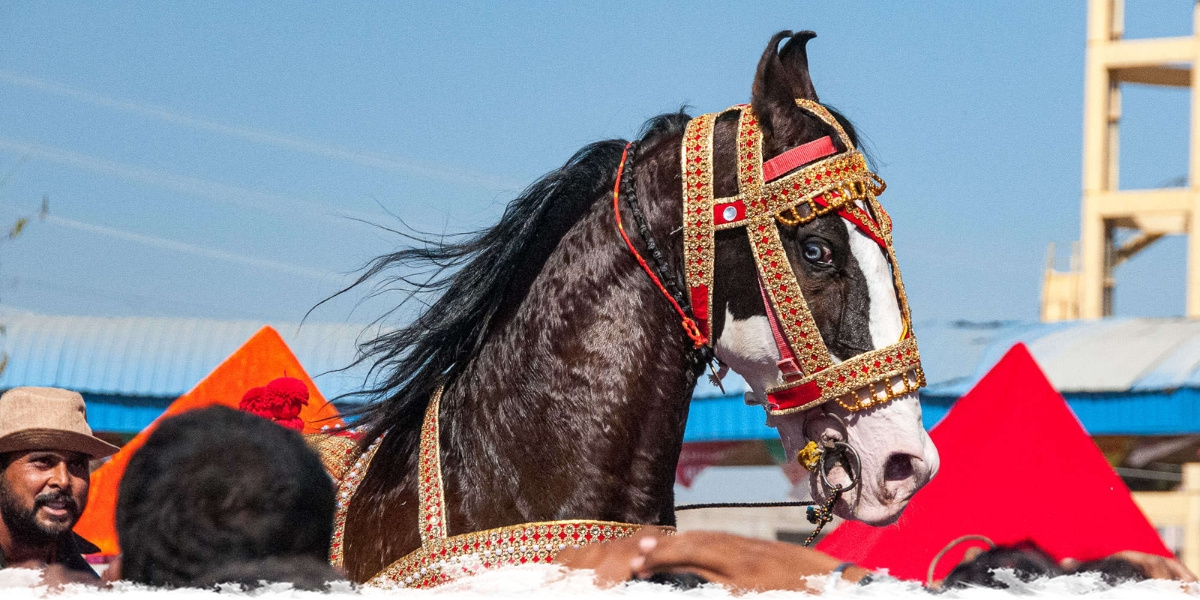
The Marwari Horse
Known for its inward pointing ears, it’s beauty and elegance, India’s Marwari horse is famous around the world.
Indigenous to the Marwar (Jodhpur) region of Rajasthan, this hot-blooded desert breed was originally bred by the Rathore rulers as a cavalry horse, and is said to have been used as a warhorse during periods of conflict with the Mughals. The saying goes that the Rathore Rajput warrior, once mounted on his Marwari horse, is insurmountable in battle. Later, the rulers of Mewar (Udaipur) and Dhundhar (Jaipur) also used Marwari horses in their cavalries.
But despite its reputation for being loyal, intelligent and enduring, this beautiful breed hasn’t always had it easy. During the British colonisation of eastern and central India, it was sidelined in its own country by the British, thought to have preferred English thoroughbreds and Australian Walers.
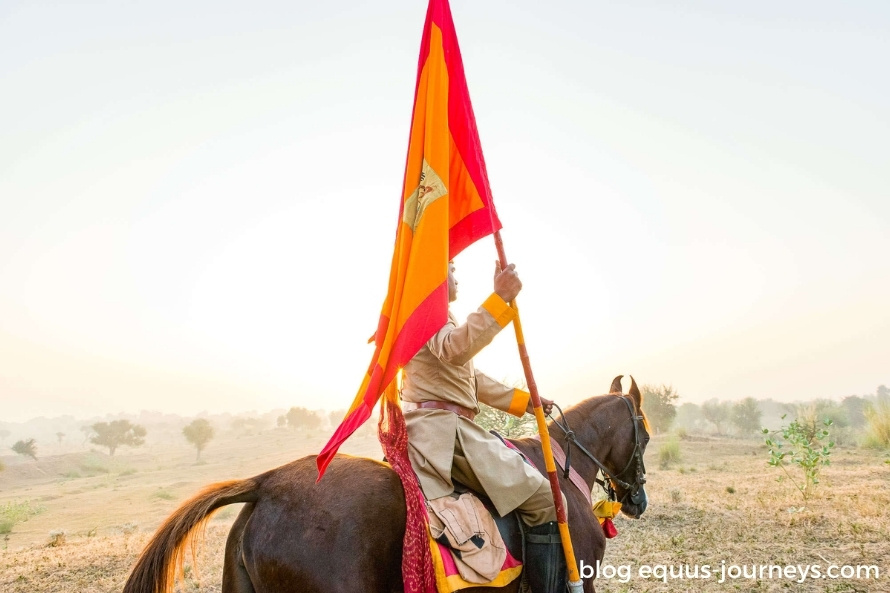
While the Marwari horse was still bred by the independent princely states -- eager to showcase the superior quality of their horses -- the Marwari wasn’t deemed to excel in foreign sports such as furlong racing, jumping and polo. Sadly during this time, many Indian cavalries were mounted on horses from abroad.
After independence from Britain, the Marwari horse came perilously close to extinction. With independence, came the end of the Princely states, and the royals and nobility — who had been the main breeders of Marwari horses – were now uncertain of the future.
As a result, many sold their horses and breeding declined sharply. Alongside economic and social changes, poor breeding practices and a loss of stud records, India saw the slow degeneration of the breed.
Finally in the 1990s, concerns about the decline of the Marwari horse led to a renewed effort to preserve it -- spearheaded by Maharaja Gaj Singh II of Jodhpur alongside traditional Rajput horse-breeding families from other regions. These efforts helped formalise breed standards and restore national interest in the once-famous Marwari.
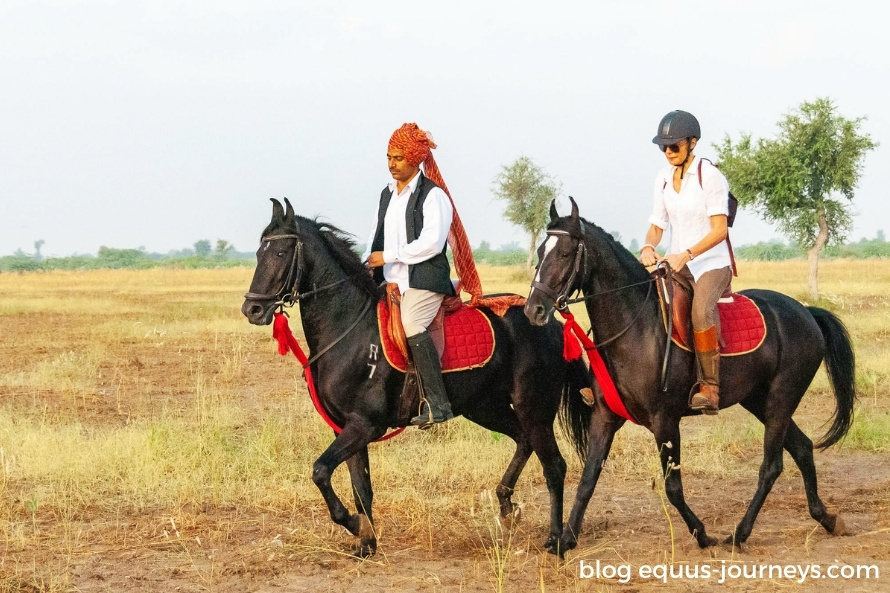
Today estimates vary widely, but some say there may be between 2000 and 3000 pure Marwari horses in India. Its intelligence, stamina, smooth gait and ability to withstand varying temperatures and terrain, means it is often used for breeding, travel, ceremonies and more.
For your chance to ride a Marwari horse, you can visit our website to see our rides in Rajasthan, India: Princes of Marwar, Aravalli Hills and Forgotten palaces in Shekhawati.
More information:
To find more information about our riding holidays in India 2026, please visit our website or contact one of our travel advisors on email: info@equus-journeys.com or call us on +44 (0)1905 388 977.